

maíz
2025
Soft: Rhino | Illustrator | Procreate
Hard: Dried corn husks, salvaged light fixture, scrap wood
Maize in Mesoamerica is more than just about food production.
Economic, scientific, and social systems have been built around its cultivation. The study of earth and atmospheric science and the concept of trade, savings, and reciprocity describe a few of the practices that have guided maize for millennia.


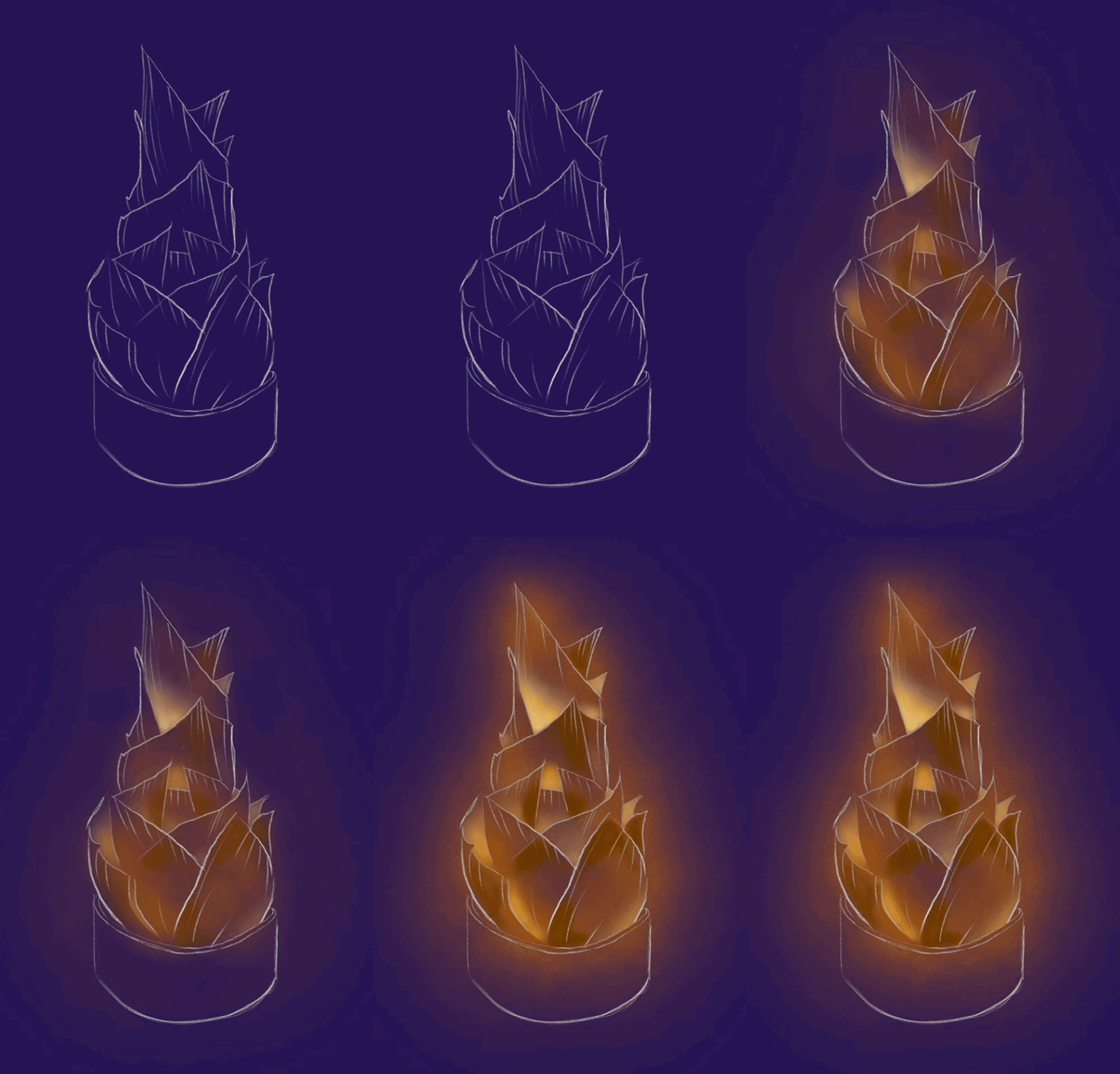
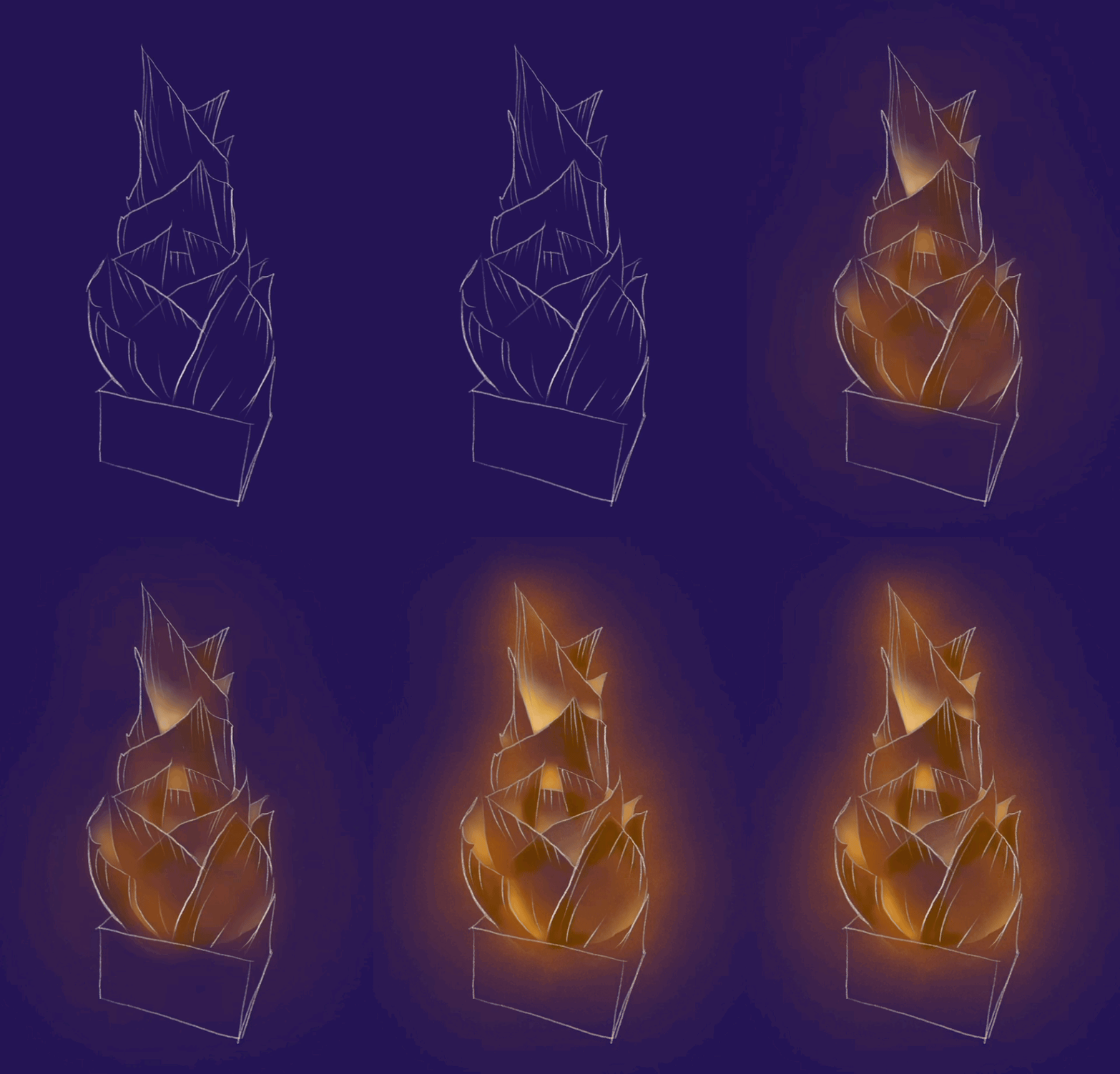
Early prototypes explore the arrangement and shape of cornhusks and their aesthetic potential.
The models also explore effect of layering husks on the light distribution and color saturation.



Material
Dried corn husk details are revealed when illuminated. Their showcase through light speaks to its value beyond corn. Dried husks are used to make rope, toys, food and more.

Visual Precedents

Maiz resembles the warm light at dawn and dusk and the emphasis it brings to detail
The square base made of walnut-stained wood scraps dark wood. Its appearance contrasts the light, rough face of the corn husks.

An aluminum base from the salvaged light fixture hides in the wooden box, symbolizing our relationship with the industrialized and the raw.


Other Mesoamerican traditions guide the visual effect of Maiz, including gatherings at burial sites on Day of the Dead where is light for both visibility, guidance and dedication

Maiz takes inspiration from lanterns, especially due to its paper-like, translucent effect over light